How Does Retirement Living Give You the Time to Focus on Your Hobbies?
Retirement living gives you more time for hobbies by reducing daily chores, home upkeep, meal stress, transportation planning, and the quiet pressure of managing everything alone. With helpful services, shared spaces, and regular activities nearby, you can spend more of your day doing things that feel creative, relaxing, social, or simply fun.
That matters because hobbies are not just cute extras. They give your day shape. They help you stay curious. They make retirement feel less like empty time and more like your time.
Why Do Hobbies Matter Much After Retirement?
Hobbies matter after retirement because they give your days purpose, enjoyment, structure, and something personal to look forward to.
Retirement can sound peaceful from the outside. No work schedule. No rushed mornings. No one breathing down your neck about deadlines. Nice, right?
But too much empty time can start feeling strange. The day stretches. The hours get slippery. One quiet afternoon turns into another, and suddenly the week feels a little too thin.
That is where hobbies help.
A hobby gives you something to return to. Gardening. Cards. Cooking. Reading. Crafts. Music. Fitness. Games. A bridge club. A Bible study group. Even a simple group activity can bring a little spark back into the week.
And honestly, retirement should not feel like sitting around waiting for the clock to behave. You still need things that make you feel interested, useful, and awake inside your own life.
How Does Retirement Living Free Up More Time?
Retirement living frees up more time by reducing the chores and home responsibilities that quietly eat away at your day.
Home can be wonderful. But it can also become needy. Very needy.
There is always something. Laundry. Cleaning. Repairs. Yard work. Grocery planning. Cooking. Maintenance. Another small task hiding behind the last small task. At some point, the house starts acting like a full-time job with no paycheck and a very dramatic attitude.
Retirement living helps take some of that weight off your shoulders.
When services like housekeeping, laundry, maintenance, meals, and scheduled transportation are easier to access, your day opens up. You are not spending all your energy keeping life running in the background.
That means more room for the things you actually enjoy.
You can join a game. Go to an activity. Read in peace. Sit outside. Try a new hobby. Or do nothing for a bit without a chore glaring at you from across the room.
That kind of freedom feels small until you actually have it.
How Can Shared Spaces Make Hobbies Easier to Enjoy?
Shared spaces make hobbies easier because they give residents convenient places to gather, relax, play games, read, create, or spend time with others.
A hobby is easier to keep when you do not have to drag yourself across town just to enjoy it. That is the beauty of having shared spaces close by. You can step into a game room, activity room, library, courtyard, fitness area, dining space, or lounge without turning the whole thing into a major production.
That matters.
If joining an activity feels difficult, people stop going. If getting there feels annoying, the hobby slowly disappears. And if every hobby depends on perfect planning, well, that is a quick way to kill the fun.
Shared spaces remove some of that friction.
You can play billiards, join a card game, spend time in the library, take part in a group activity, or simply sit near others without needing a huge plan. The space is already there. The opportunity is already nearby.
Sometimes that is enough to get you moving.
What Types of Hobbies Can You Enjoy in Retirement Living?
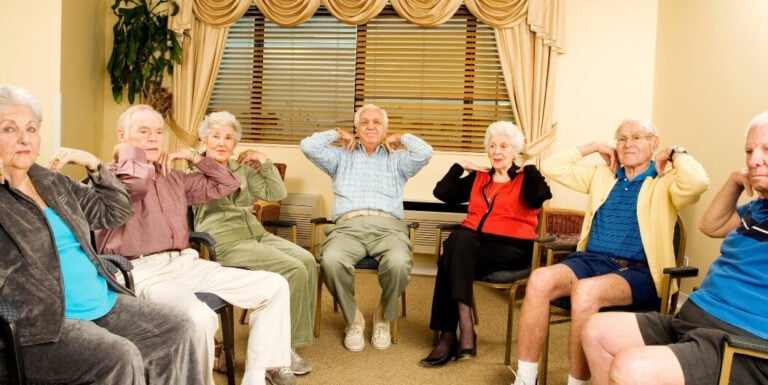
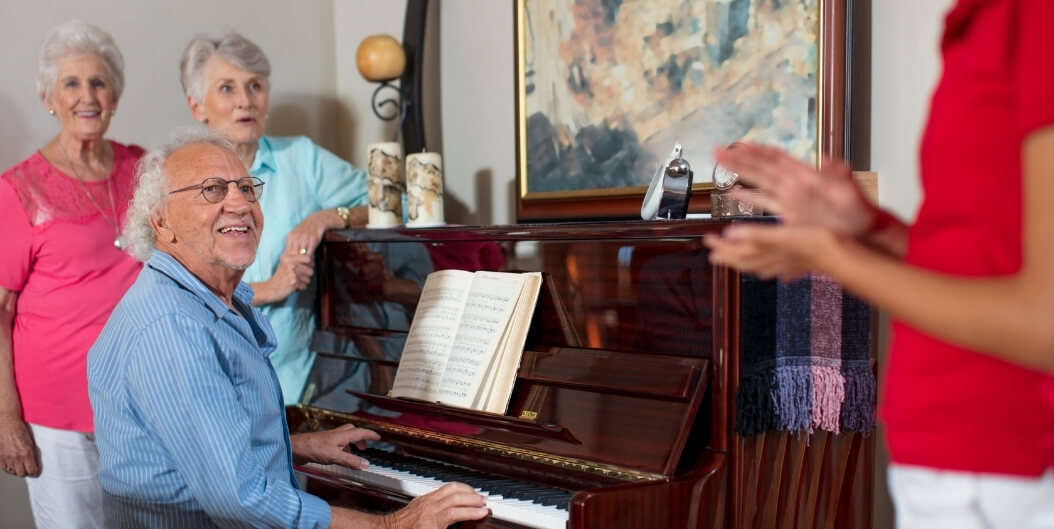
You can enjoy hobbies like board games, card games, gardening groups, cooking groups, arts and crafts, live music, bridge, Bible study, exercise, billiards, and social outings.
The best part is that hobbies do not all have to look the same. Not everyone wants loud events. Not everyone wants quiet ones either. Some people want movement. Some want creativity. Some want conversation. Some want a little competition, and yes, some people get surprisingly serious over cards.
That is half the fun.
You might enjoy:
- Board games, card games, bridge, billiards, cooking groups, gardening groups, arts and crafts, live music, Bible study, exercise and fitness, bocce ball, or social excursions
The point is not to become busy just to prove something. Nobody needs a calendar that starts bossing them around. The point is to find activities that make the week feel more like yours.
Try one thing. Then another. Keep what feels good. Drop what feels forced.
That is how hobbies stay enjoyable instead of turning into another obligation wearing a friendly smile.
How Do Social Activities Make Hobbies More Fun?
Social activities make hobbies more fun because they give residents a chance to share interests, meet people, laugh, and build friendships naturally.
Forced small talk can feel stiff. A shared hobby fixes that fast.
When you are playing a game, working on a craft, joining a cooking group, listening to music, or heading out on a social excursion, you already have something to talk about. The pressure drops. The room loosens up. People start laughing about small things.
That is how connection happens.
Not always in some dramatic friendship moment. Sometimes it starts because someone sat near you during cards. Or asked about your craft. Or joked about losing at bocce ball. Or talked about a song that reminded them of years ago.
Those little moments stack up.
A hobby gives friendship somewhere to begin. Without it, conversation can feel like work. With it, people relax. And once people relax, the whole day starts feeling warmer.
How Do Services Help Protect Your Energy for Hobbies?
Helpful services protect your energy by taking pressure off tasks like housekeeping, laundry, maintenance, meals, and transportation.
Energy matters. More than people admit.
It is hard to enjoy a hobby when your to-do list is sitting there glaring at you. You may want to join an activity, but if you spent the morning cleaning, sorting laundry, fixing something, planning meals, and running errands, your motivation may already be gone.
Retirement living can help you regain some of that lost energy.
If all of the basic services you need on a daily basis are readily available, then your hobby does not feel so much like something you fit into your busy schedule after getting through everything else.
Your hobby becomes a natural part of each day. Not an afterthought. Not a reward for making it through chores.
And that is important because hobbies need space. They need time. They need a little mental breathing room.
If the entire day consists of completing tasks and activities, then the elements of creativity, enjoyment, and socialization will be confined to a closet for the duration of the day, which would not be a wise way to live one’s retirement years.
How Can You Balance Hobbies With Quiet Time?
You can balance hobbies with quiet time by choosing activities that fit your energy level and leaving room for rest, privacy, and slower days.
A full calendar can be fun until it starts feeling like work, wearing a nicer outfit. That is why balance matters.
Some days, you may want a card game, a social outing, a fitness activity, or live music. Other days, you may want your room, a book, a quiet walk, or no plans at all. That does not mean you are missing out. It means you know yourself.
Retirement living should give you choices, not pressure.
The right rhythm lets you enjoy hobbies without feeling chased by them. You can be social when you want. Quiet when you need. Active when you have the energy. Still, when the day calls for it.
That kind of balance keeps hobbies enjoyable. Because once something starts feeling forced, the joy leaks out quickly.
Come Enjoy More Time for Your Hobbies at Elison Independent & Assisted Living of Maplewood
At Elison Independent & Assisted Living of Maplewood, residents can enjoy a retirement living lifestyle with shared spaces, social activities, restaurant-quality meals, housekeeping, laundry services, maintenance, scheduled transportation, and comfortable apartment living.
Residents can take part in activities such as board games, card games, gardening group, cooking group, arts and crafts, live music, bridge club, Bible study, exercise and fitness, social excursions, and other opportunities that help make daily life feel more engaging.
Schedule a tour of Elison Independent & Assisted Living of Maplewood to see how the right retirement living community can help you enjoy more time, more connection, and more freedom to focus on the hobbies that make your days feel full.